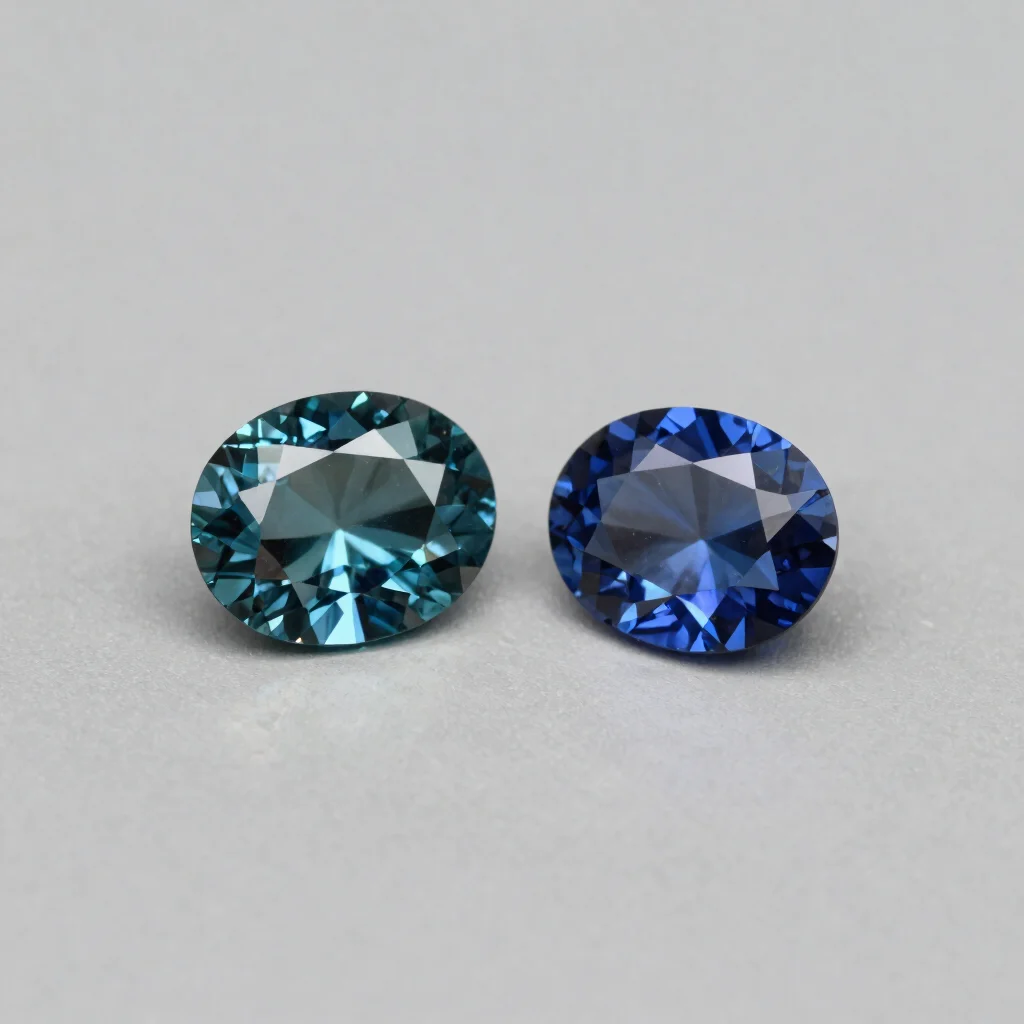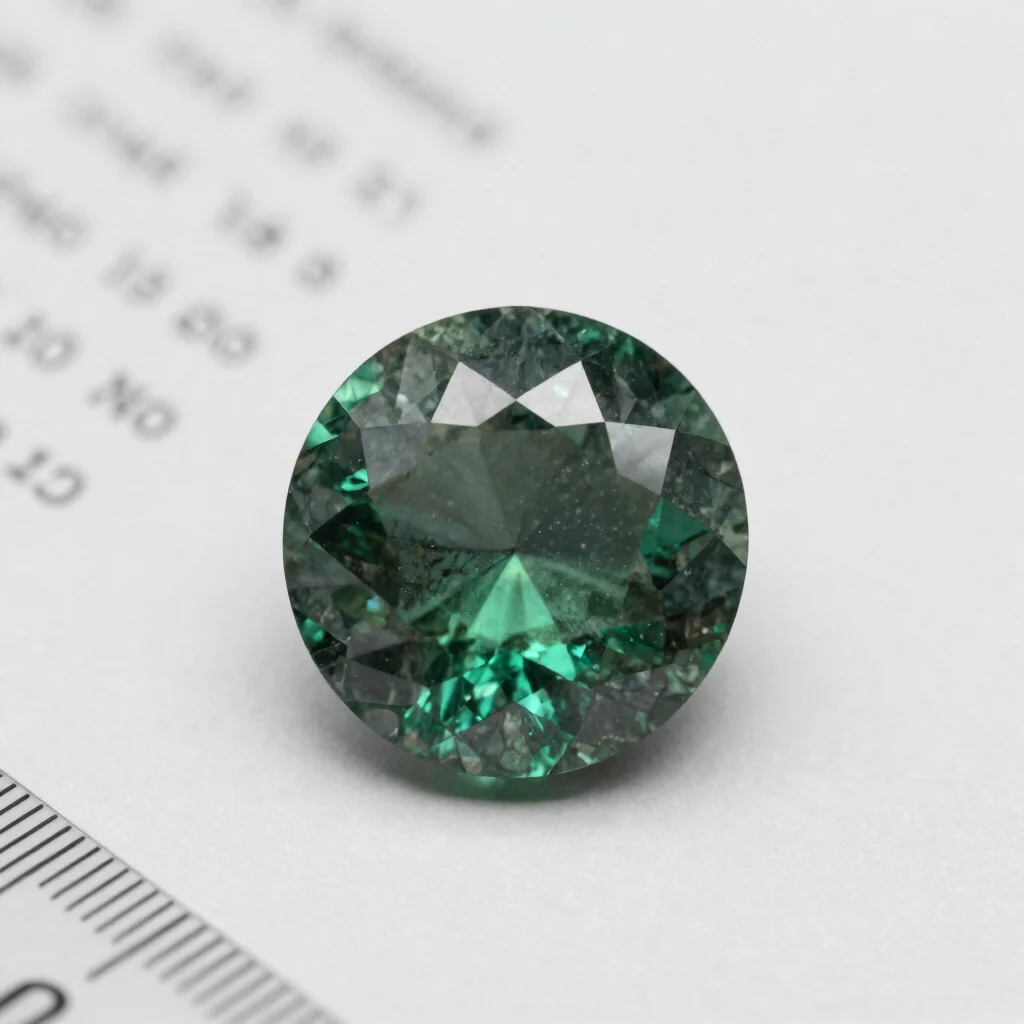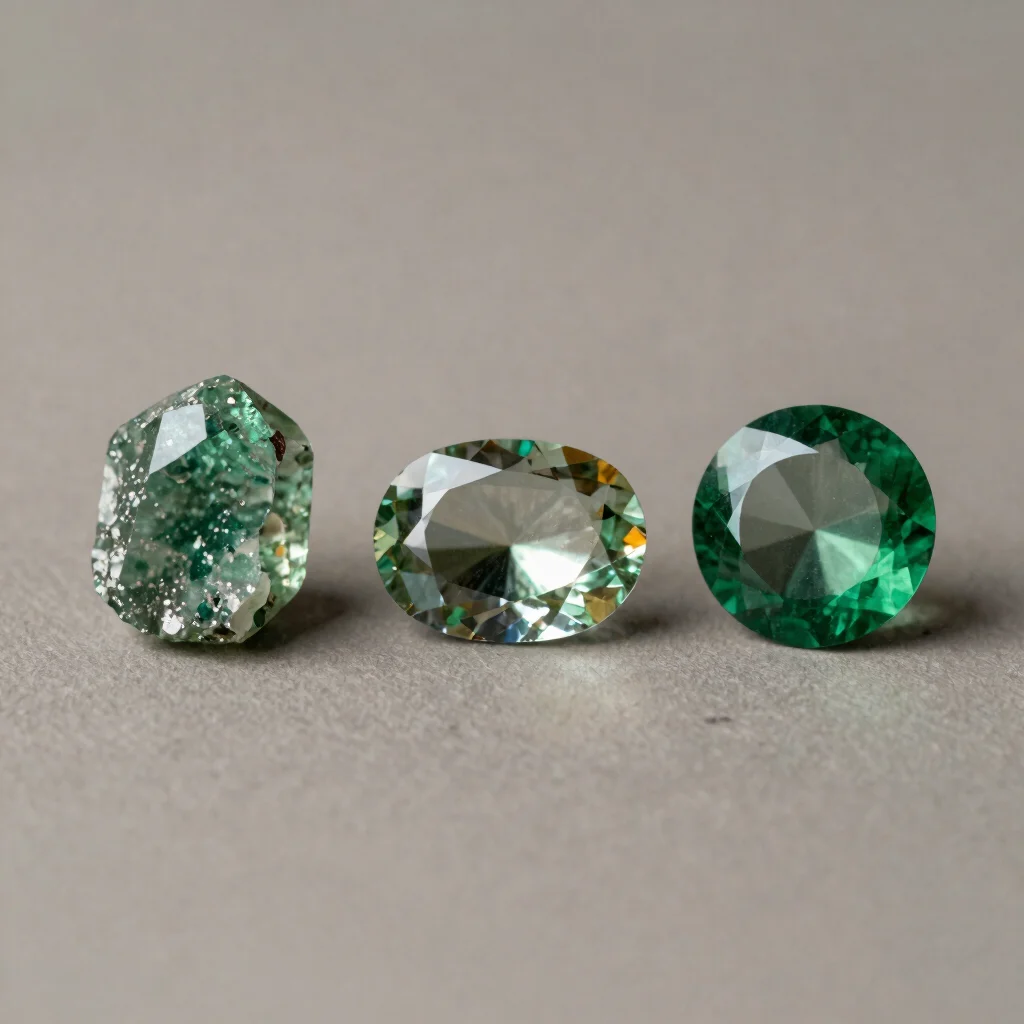
Two green stones can look similar in a product photo while differing in how they were made and what the seller says they are. “Natural,” “lab-created,” and “imitation” are not interchangeable descriptions. Before comparing options, find the exact wording in the item details rather than relying on the color or a short title.
Check the stated origin
A natural gemstone is described as having formed in nature, while a lab-created stone is described as made in a laboratory. The specific material matters too: a lab-created stone may be described as the same gem material as its natural counterpart, but the listing should say what it is rather than leave you to infer it from a familiar name. If origin is important to your choice, look for it stated directly.
Know what imitation means
An imitation is intended to resemble another gem in appearance; the description may identify a different material. That can be a perfectly reasonable option when appearance is the priority, but it is not the same buying decision as choosing a stone described as natural or lab-created. Check the material details, not just the color name in the headline.
Compare the actual descriptions
Read the product title alongside the full description and any item-specific details, especially when the wording shifts between sections. If the listing does not clearly identify the stone or its stated origin, pause rather than treating an image or broad label as confirmation. Some Gemmafied links to Amazon may earn a commission, and our recommendations are a starting point for your own comparison—not a claim that every listing has been independently verified.