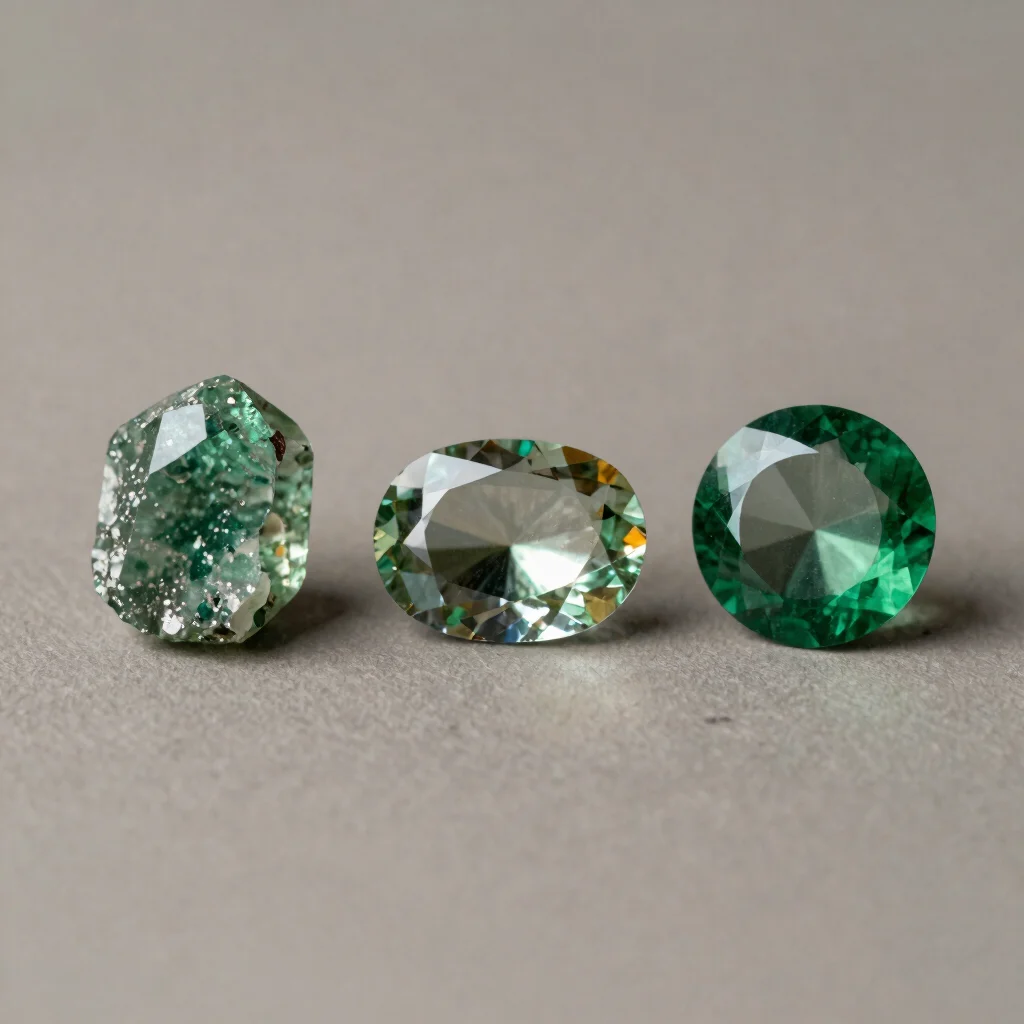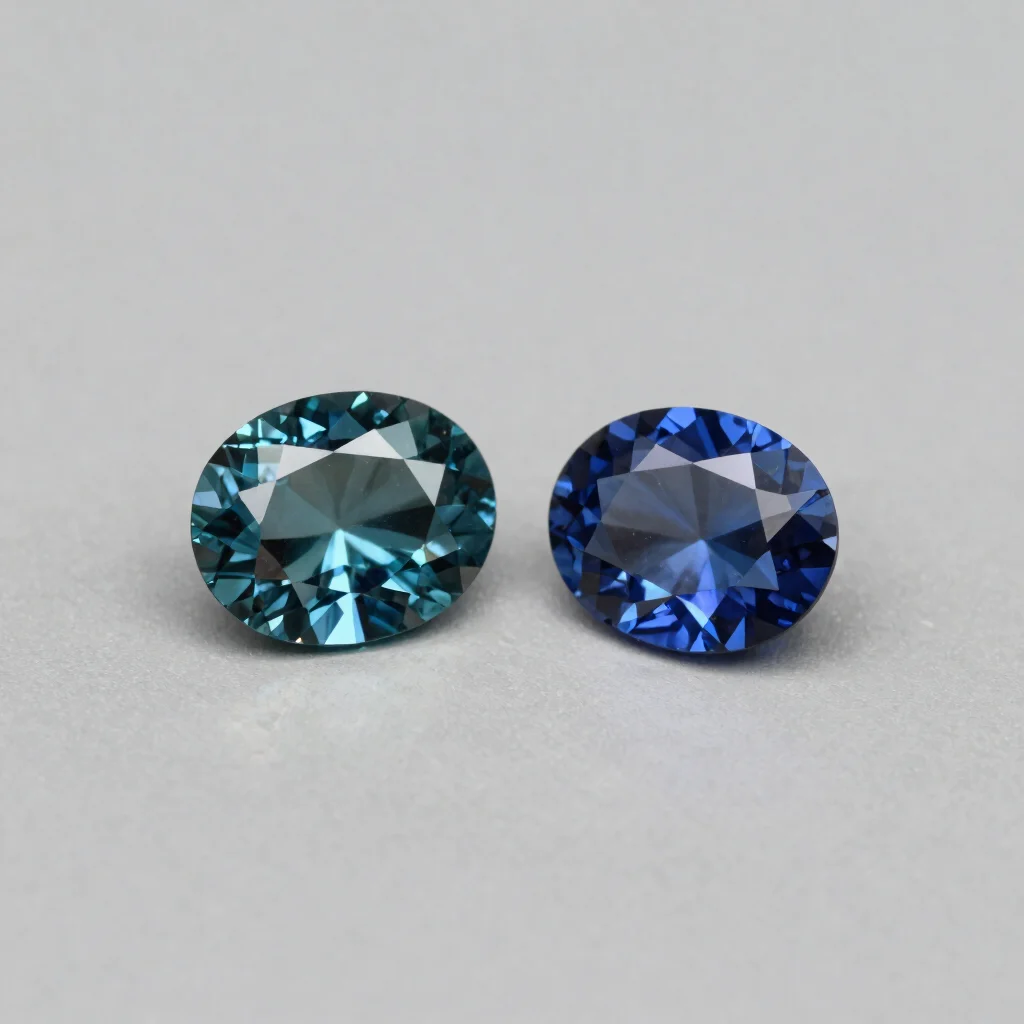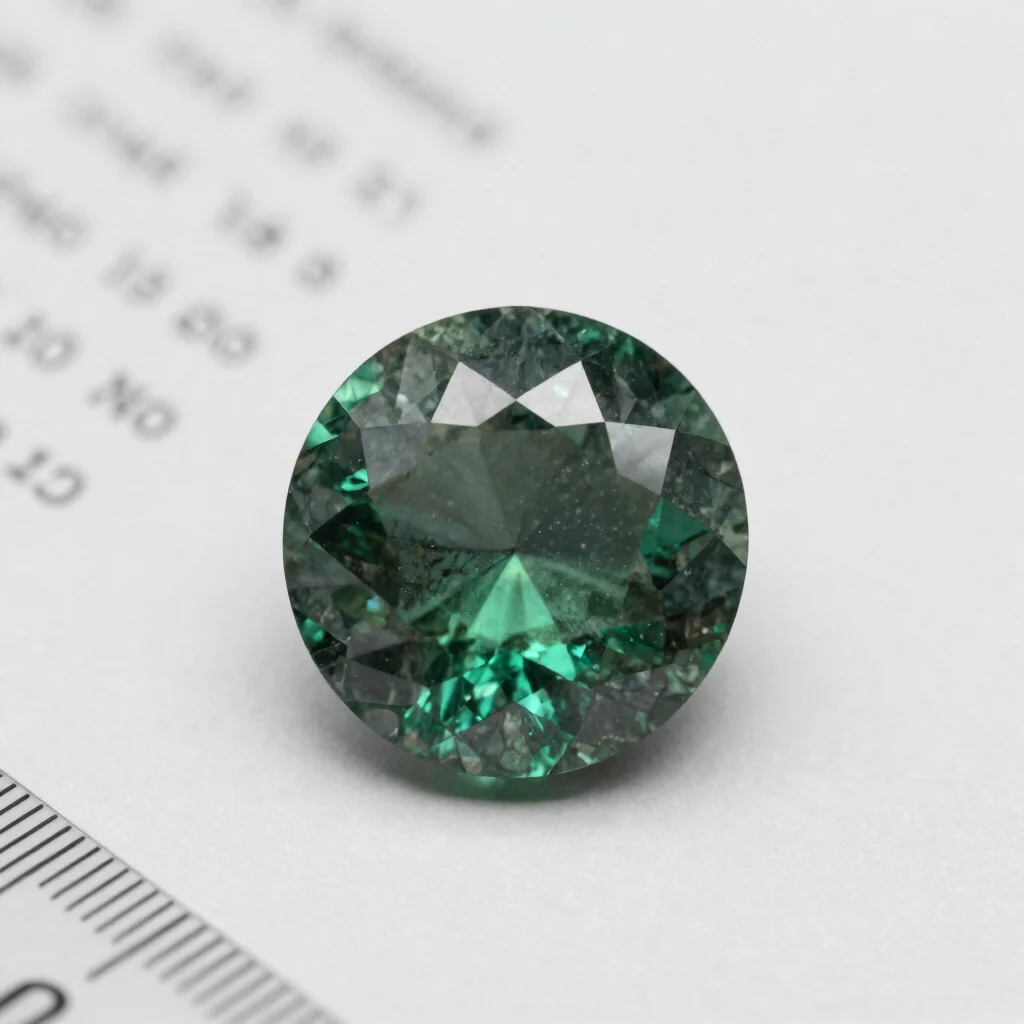
A listing calls a stone “emerald,” but the details below the photo may reveal a mounted green stone, a small accent gem, or a material described another way. Before comparing appearance or price, find out exactly what the seller says the item is. The goal isn’t to read more into a listing than it tells you.
Start with the stone details
Look for the gemstone name, measurements, and whether the description identifies the stone as natural, lab-created, or an imitation. If the item is jewelry, check whether the listing specifies the metal and which stones are included; a prominent center stone in a photo may not be the only stone, or the one the description emphasizes. Treat missing details as questions, not as evidence for a particular answer.
Compare like with like
A loose stone and a finished ring are different purchases, even if their photos feature a similar gem. Compare dimensions, setting, metal, and stated stone type before using appearance as a guide. When measurements are given, consider how they translate to the item’s actual scale rather than relying on a close crop.
Check what remains unclear
Read the full description and the seller’s item-specific details, then check the return terms before deciding. If treatment, stone identity, or what is included remains unclear, don’t fill in the gaps from attractive wording or photography. Some Gemmafied recommendations may use Amazon affiliate links, which can earn us a commission; the listing details still deserve your own review.